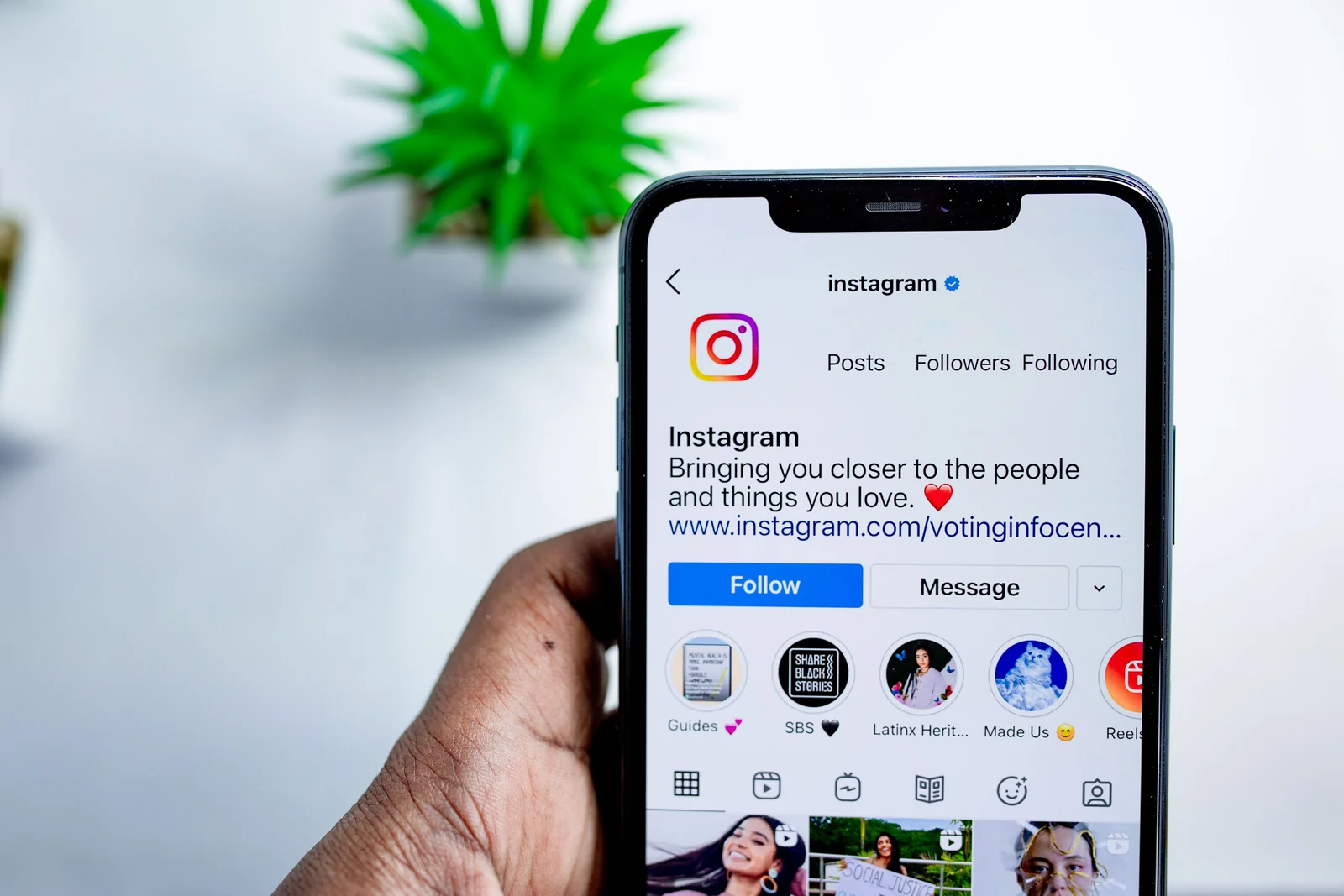
On November 17, 2026, Meta announced that it was bringing its Content Protection tool to eligible Instagram creators. After enrollment, the service automatically searches for visual matches to protected original videos on both Instagram and Facebook. When it finds a match, the platform notifies the creator, who can review details and decide what happens to the clip. The tool was previously available to Facebook creators. The expansion brings the matching workflow to the Instagram professional dashboard as well.
According to Meta, creators who meet its criteria can see an activity feed notification or check whether the feature appears among their professional tools in the dashboard. Eligibility is largely based on the platform's originality and integrity standards. Creators who do not receive access automatically can apply for Meta's team to review their request. Availability therefore depends on account eligibility and whether the creator enrolls in the tool.
Automatic protection for new original videos
After enrollment, the tool automatically protects eligible original videos the creator posts to Instagram. Meta describes a separate process for older material. Creators can manually select previously posted eligible videos to include. Automatic protection for future uploads and manual selection for previous uploads are two routes into the same matching tool.
The service looks for protected material in clips posted by other people and uses the matching technology behind Meta Rights Manager. The alert supplies details that can help a creator make a decision, including the view count of the matching clip and the follower count of the profile that posted it. The alert identifies a similarity for review. When a profile used the material with permission, the account manager can handle that distribution through the list of authorized profiles.
Four choices for a reported match
Tracking is the default option. The matched clip stays visible, and the creator can monitor its performance and change the decision later. If the creator chooses to hide it, the match becomes unavailable on Instagram and Facebook. Meta says that this action reduces the reach of the flagged video without directly penalizing the profile that posted it.
On Instagram, the creator can also add a credit label that links the matched clip to the original video or the creator's profile. Meta documents this option for matches found on Instagram. The fourth choice is to release the claim on that match. The clip stays visible, and the entry leaves the creator's list of matches. Tracking keeps the entry available for later review. Releasing it ends the review from that list.
Authorized reposts and ownership disputes
The list of authorized profiles covers situations in which the creator has already granted permission to repost. Meta gives the examples of another profile managed by the same person, a collaborator or a brand. After the profile is added, its videos are no longer flagged to the creator as matches. The list can be updated. This lets the tool treat an agreed repost by a partner differently from a similar upload that needs review.
Meta also provides a process for cases in which another profile publishes and protects a creator's original video first. The creator can submit an ownership dispute in the tool or file a report through the platform's intellectual property center. Those routes are separate from the ordinary decision about a match. The allow list records profiles that already have permission. A dispute initiates a review of a disagreement over ownership of the content.
Protection criteria for an individual video differ from eligibility for the tool itself. Meta requires the person protecting the material to hold the necessary rights or have authorization to enforce them on the owner's behalf. Its documentation excludes, among other things, material licensed from third parties, content released under public licenses such as Creative Commons, and public-domain content. For a compilation or composite edit, eligible segments must be protected individually. The platform also requires the material to be visually and audibly distinctive enough for the system to identify a match reliably.
In the content dashboard, creators can also filter for videos whose protection was switched off. A clip's details may show why it is ineligible or identify an ownership issue. Instagram lets the creator dispute the issue if the material meets the criteria. The company says repeated attempts to protect clips for which a creator neither holds nor controls exclusive rights in the relevant territories may lead to restricted or revoked access to the tool.
Meta announced a separate test for speech
The rollout for eligible accounts covers visual matches. Meta also described a separate test for clips that retain the words spoken in an original video while replacing its visuals with AI-generated material. The company said it planned to start with a small group of creators in the weeks following the announcement. Expanding access to enrolled Instagram and Facebook creators remains a plan.
Separately from the test, Meta says it is exploring ways to limit the reach of content and profiles that repeatedly post this kind of AI material. The company connects that work to existing rules that limit distribution of reposted content without substantial original contributions. In the November announcement, distribution limits for this case remain under consideration, while visual matching is the mechanism available to enrolled creators.