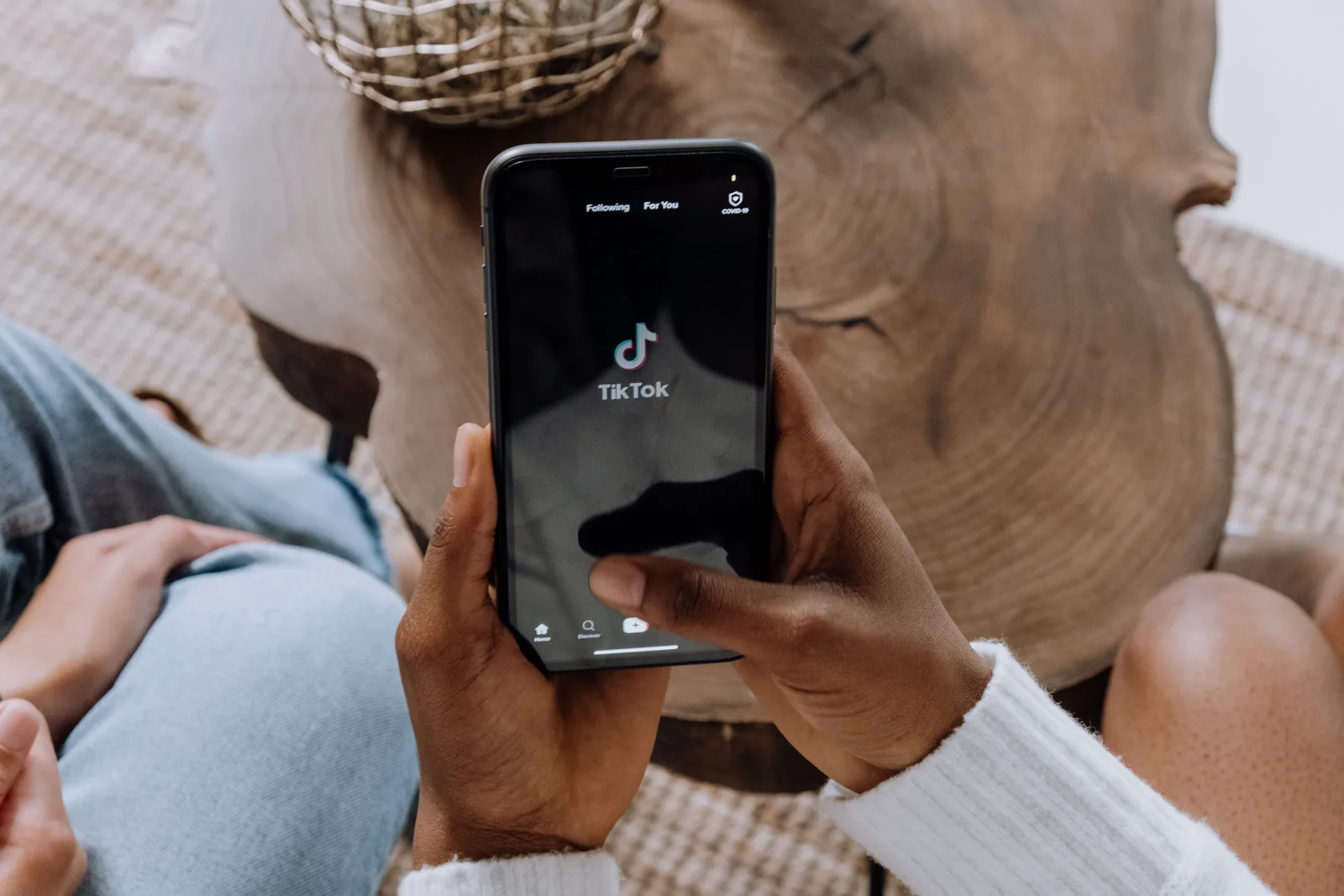
TikTok introduced a new resource center for brand safety on October 28, 2026, alongside materials covering reputation protection and responsible use of artificial intelligence in advertising. The announcements were made at the APAC Responsible Media Forum in Singapore, attended by 30 representatives from brands, agencies and the platform's partners.
The Brand Safety Center brings together information about platform rules, advertiser controls, content transparency and collaboration with creators. The company distinguishes between where an ad appears, whether neighboring content matches a brand's preferences, and the brand's reputation. Protection therefore also covers conversations about products and unauthorized use of elements of a brand's identity.
The materials presented include the Brand Protection Playbook and AI Safety Essentials, the latter developed with consultancy Responsible Marketing Advisory. The center also provides access to a TikTok Academy course on safety tools and policies. The new entry point brings together existing resources and solutions that serve different roles in the administration of advertising.
The public information page is separate from the Brand Safety Hub, the operational area within TikTok Ads Manager. The hub is where advertisers configure controls governing ad adjacency and an account's preferences. This distinction matters for TikTok Ads campaign management: learning the rules and applying the settings take place in separate components of the platform.
Controls over the content appearing beside ads
TikTok Inventory Filter offers three inventory levels: Expanded, Standard and Limited. They express different preferences about the types of content accepted beside advertisements. Category Exclusion removes content categories, while Vertical Sensitivity further narrows inventory according to the sensitivities of an industry. The company also identifies independent verification through DoubleVerify, Integral Ad Science and Zefr.
The Brand Safety Hub allows account-level defaults to be defined for future campaigns with compatible objectives. The configuration covers reach, video views and community interaction objectives by default. Administrators explicitly extend the settings to other available objectives. The documentation distinguishes these rules from preferences that have already been applied to existing ad groups in the account.
Changing account options does not automatically alter historical ad groups, and an ad group's settings can take priority over general account controls. The feature is documented for most regions where TikTok Ads Manager is available; it does not appear in the interface of accounts where it is unavailable. Both Spark and non-Spark ads are supported for compatible objectives and placements.
Video and Profile Feed exclusion lists provide additional control over content or accounts alongside which ads can appear. For comments on a brand's own paid placements, the platform describes options for filtering, hiding or holding comments for review. These operations serve a different purpose from removing a video that breaches the platform's overall community rules.
Reputation and brand rights have separate workflows
In its Singapore announcement, TikTok included Market Scope Brand Perception, a Business Center tool for tracking conversations about a brand. It shows discussion volume, expressed sentiment and recurring themes. This is a monitoring component, separate from settings that select advertising inventory or from the channels used to report infringements of a brand's intellectual property rights.
For unauthorized use of trademarks and protected materials, the company points to dedicated copyright and trademark reporting forms. Within TikTok Shop, the IP Protection Center lets rights holders report listings that infringe their intellectual property. According to TikTok, a confirmed violation can result in removal of the listing and strikes being applied to the seller.
TikTok Real complements this area by allowing participating brands on TikTok Shop to review seller authorizations and identify suspicious listings. Participation has its own criteria, addressed through contact with the platform's team. The public center describes these protection options; access to TikTok Real follows the program's own enrollment and eligibility conditions.
The company also distinguishes the routes for reporting problems: campaign issues go through Ads Manager, intellectual property infringements use dedicated channels, and content or accounts can be reported in the app. A case involving a brand's rights requires evidence of ownership. Reputation monitoring services do not replace the submission of a report through the appropriate channel.
AI labels and advertising creative review
AI Safety Essentials describes advertisers' responsibilities when images, video or audio are fully generated or significantly modified using AI. Disclosure requirements apply in these situations. Minor technical adjustments, such as correcting lighting or reducing noise, are distinguished from generating or substantially changing a piece of content. The distinction concerns the actual creative being used in the advertisement.
For non-Spark ads, TikTok Ads Manager includes a dedicated control through which advertisers declare the presence of AI-generated content. Qualifying materials produced in Symphony Creative Studio are automatically labeled. The rules also apply to content created with external tools; labeling provides context about production, while reviewing the ad's compliance remains a separate stage in the process.
According to TikTok, commercial claims, product representations and rights to materials must be checked regardless of the tool used to create them. Automated delivery or ad selection solutions operate within the objectives and budgets set by the advertiser. The person responsible for the campaign retains control over final creative and the claims made about the products being promoted.
Alongside the announcement, the platform published moderation figures for April–June 2026. Across ten Asia-Pacific markets, more than 30 million videos were removed for community guideline violations, representing around 0.3% of videos published there. TikTok says 99.5% of those removals were proactive, while 91% took place within 24 hours.
Separately, the company says automated systems, including AI moderation, accounted for 97.4% of video removals globally in the second quarter. The regional percentages and the global figure describe different measures. The public center adds access to enforcement reports and training resources for the use of advertising controls and brand protection tools on the platform.